
- Call Now (905) 607-7721
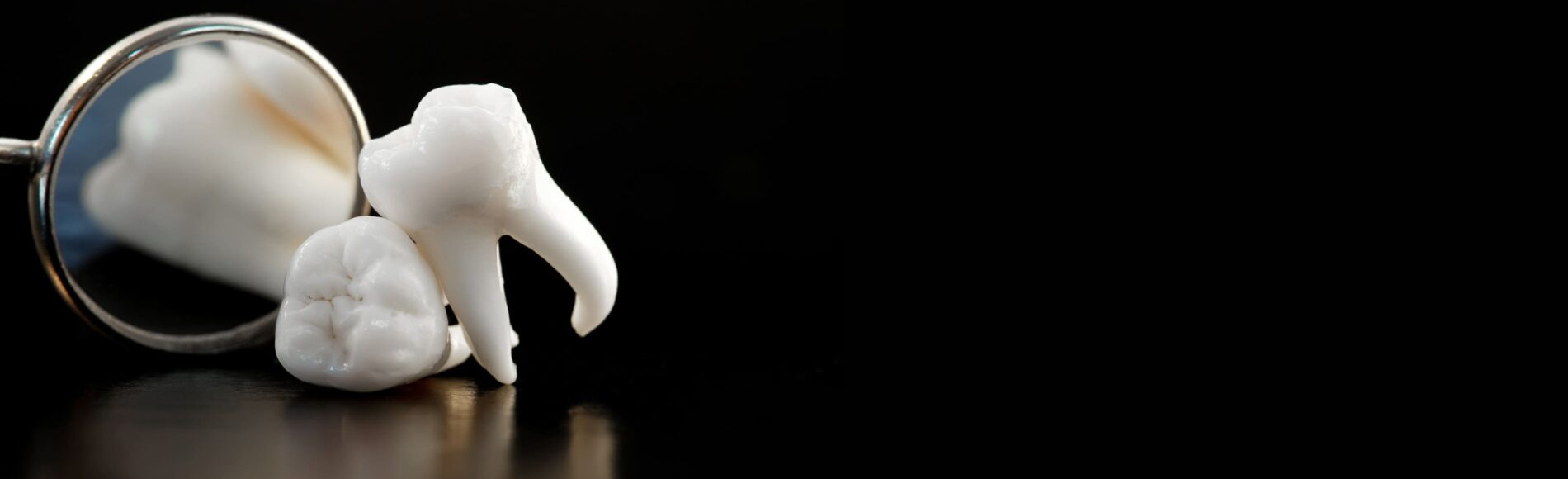
Wisdom teeth—also known as third molars—are the last set of teeth to develop, usually appearing in the late teens or early twenties. While some people never have problems with their wisdom teeth, many do. Knowing when wisdom teeth need removal can help prevent pain, infection, and future dental issues.
Wisdom teeth are the back molars that typically erupt after the rest of your adult teeth are already in place. Because there’s often limited room in the mouth, these teeth don’t always come in properly.
Impacted wisdom teeth are trapped under the gums or jawbone and can’t fully emerge. This can cause pain, swelling, and infection.
Wisdom teeth that grow sideways or tilt toward other teeth can damage nearby teeth or crowd the mouth.
Ongoing discomfort in the back of the mouth, jaw pain, or swelling around the gums may signal a problem.
Even wisdom teeth that partially erupt can be difficult to brush and floss, increasing the risk of cavities and gum disease.
Partially erupted wisdom teeth can trap food and bacteria, leading to repeated infections.
Wisdom teeth can push against other teeth, potentially causing crowding or damage.
They may not need to be removed. Your dentist will monitor them during regular checkups using exams and X-rays.
Wisdom teeth are often easier to remove in the late teens or early twenties, when roots are less developed and recovery is typically faster. However, removal can still be done later if problems arise.
If you notice these symptoms, a dental exam is important.
© Copyright Iris Dental Group All Rights Reserved. Developed by Tas Technologies