- Call Now (905) 607-7721
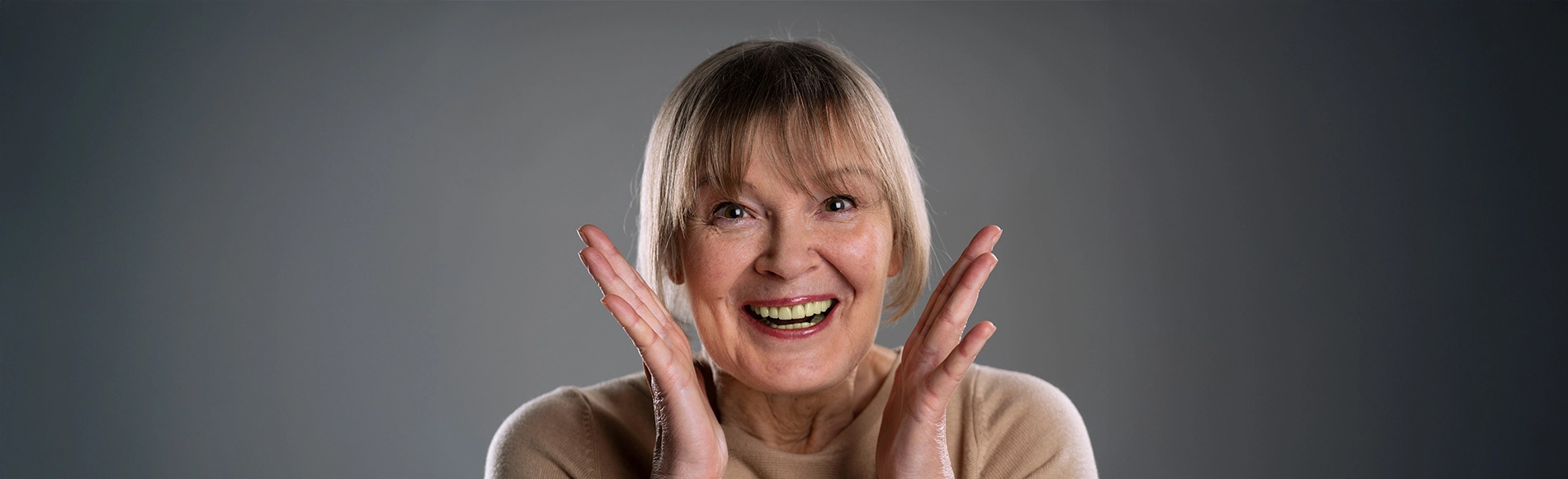
As we age, our dental needs naturally change. Even with excellent oral hygiene, years of use, wear, and environmental factors can begin to affect the health and appearance of your teeth.
One of the most common changes is enamel wear. Over time, the outer layer of your teeth gradually thins, making teeth appear more yellow as the underlying dentin becomes more visible. This can also increase sensitivity to hot and cold foods.
Gums may also begin to recede with age, exposing more of the tooth surface and making teeth more vulnerable to decay—especially along the roots, which are softer than enamel.
Older adults are also more likely to experience:
The good news is that many of these changes can be managed or slowed with proper care. Using fluoride toothpaste, staying hydrated, maintaining regular dental visits, and addressing issues like grinding early can all make a significant difference.
Aging is inevitable—but losing your teeth or oral health doesn’t have to be. With the right preventive approach, you can maintain a strong, healthy smile for life.
© Copyright Iris Dental Group All Rights Reserved. Developed by Tas Technologies